How to Lower Your Blood Pressure Without Medication


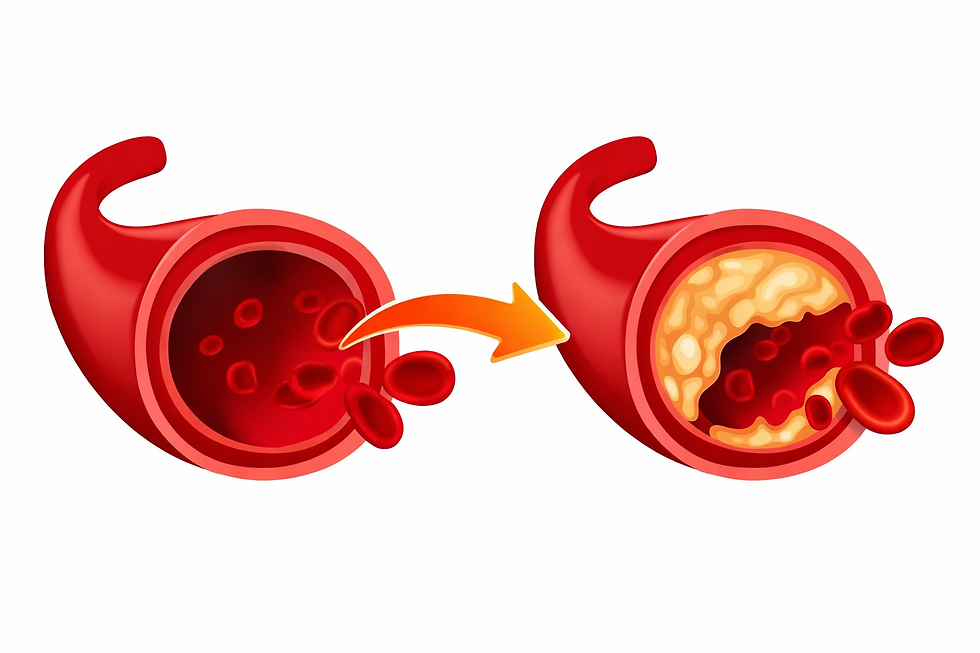
High blood pressure often develops without causing symptoms. Many people feel completely well and are unaware that their blood pressure is elevated. However, when it remains high over time, it can strain the heart, blood vessels, brain, and kidneys.
According to the European Society of Cardiology (ESC), lifestyle changes play a central role in blood pressure control. In many cases, simple daily habits can significantly improve blood pressure levels and support overall cardiovascular health.
Reduce Your Salt Intake
Excess salt is one of the main contributors to high blood pressure.
The recommended limit is no more than 5 grams of salt per day, which equals approximately one small teaspoon in total
Importantly, most of the salt we consume is “hidden” in food, not what we add at the table
Where Is Salt Hidden?
Processed and packaged foods
Processed meats and cheeses
Canned foods and ready-made meals
Fast food
Sauces, stock cubes, and salty snacks
Choosing fresh, home-prepared meals and checking nutrition labels can make a significant difference.
Stay Physically Active
Regular physical activity helps the heart work more efficiently and lowers blood pressure.
Aim for 30 minutes of moderate activity on most days of the week
Brisk walking is sufficient for most people
Intensity is less important than consistency
Even small daily changes — such as taking the stairs or walking short distances — can have meaningful benefits.
Maintain a Healthy Weight
If excess weight is present, even a modest weight reduction can help lower blood pressure and reduce strain on the heart.
Follow a Heart-Friendly Diet
Your daily food choices directly affect your blood pressure.
Increase intake of fruits, vegetables, legumes, and whole grains
Limit processed and high-fat foods
Choose lean protein sources, such as:
Fish
Skinless chicken or turkey
Beans, lentils, and chickpeas
Eggs (in moderation)
Low-fat yogurt
A balanced dietary pattern supports both blood pressure control and long-term cardiovascular health.
Limit Alcohol Consumption
Avoiding alcohol is the healthiest option
If you drink:
Women and adults over 65: up to 1 drink per day
Men: up to 2 drinks per day
Stop Smoking
Smoking damages blood vessels and significantly increases cardiovascular risk.Quitting improves vascular health and reduces overall heart risk — regardless of blood pressure levels.
Monitor Your Blood Pressure Properly
Home monitoring can provide valuable information.
Use a validated blood pressure monitor
Measure in a quiet setting after a few minutes of rest
Keep a record of your readings
Discuss your results with your doctor
Important Reminder
Lifestyle changes are a fundamental part of blood pressure management and are strongly recommended by the European Society of Cardiology.
However, they do not replace prescribed medication when medication is necessary. For many individuals, medication is essential to adequately protect the heart, brain, and kidneys.
Never stop or adjust your treatment without medical guidance.The most effective approach is always a combination of healthy lifestyle choices and individualized medical care.