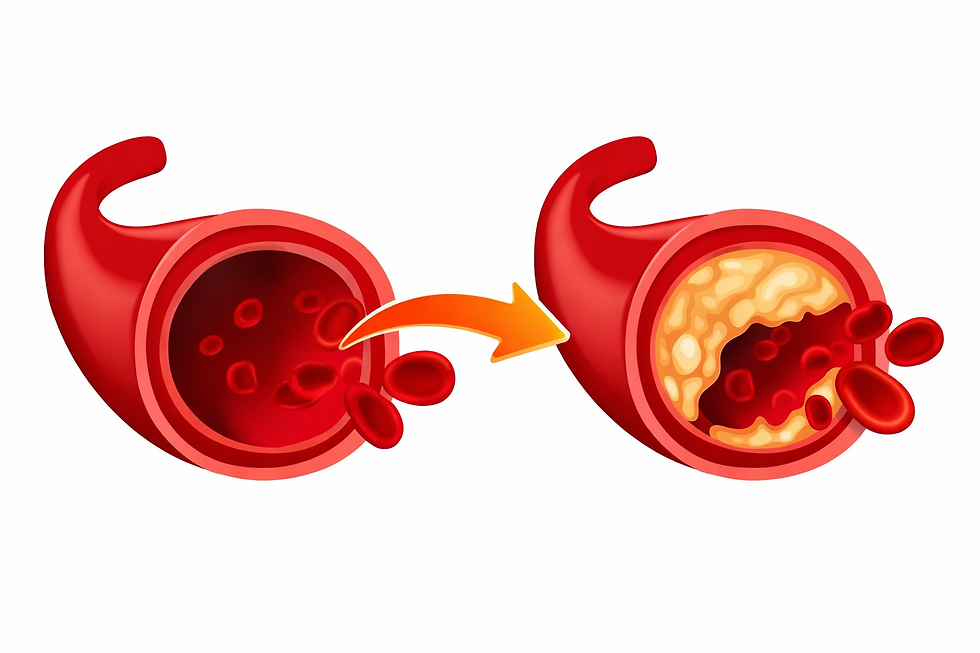
Heart attacks rarely come out of nowhere


Many people believe that heart attacks, heart failure, or strokes strike without warning. In reality, this is rarely the case.
Large-scale research shows that almost everyone who experiences a first cardiovascular event already has at least one identifiable risk factor long before symptoms appear. These risk factors often develop silently and progress over many years.
The most common warning signs happen quietly
The main factors linked to future heart disease and stroke are well known:
Elevated blood pressure
High cholesterol
Increased blood sugar
Smoking (current or past)
In a major international study following millions of adults over nearly two decades, more than 99% of people who later developed coronary artery disease, heart failure, or stroke had at least one of these risk factors beforehand. High blood pressure was by far the most common.
In other words, cardiovascular disease usually sends warning signals — they’re just easy to overlook if we don’t actively check for them.
Prevention starts long before symptoms
Most cardiovascular conditions don’t begin with chest pain or shortness of breath. They begin with years of gradual changes in blood vessels, metabolism, and blood pressure. This is why routine screening and early intervention matter.
Addressing risk factors early — through lifestyle changes, targeted treatment, or both — can significantly reduce the chance of a serious cardiovascular event later in life.
What you can do now
If you are over 30, have a family history of heart disease, or haven’t checked your blood pressure, cholesterol, or blood sugar recently, now is the right time to do so.
A simple cardiovascular risk assessment can identify hidden risks and help create a personalized prevention plan — often long before medication or invasive tests are needed.
Don’t wait for symptoms to appear.
Prevention works best when it starts early.
Source inspiration: Harvard Health Publishing – Heart Letter