


Can You Reduce Plaque in Your Arteries? A Simple Guide by a Cardiologist

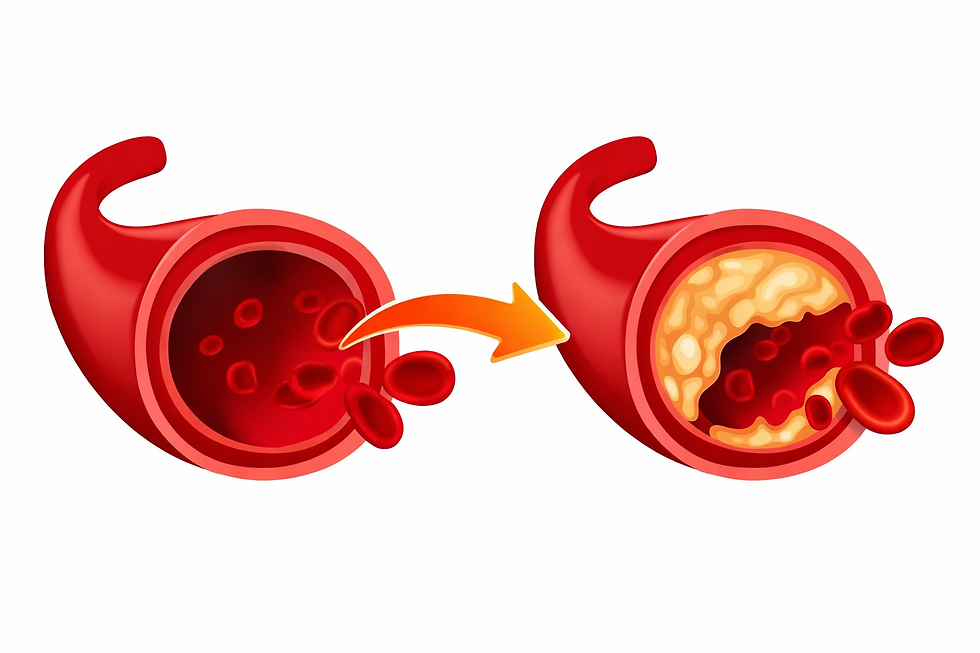
Many people ask: “Can I clean my arteries?”The short answer is simple: we can’t completely remove plaque, but we can reduce it and make it safer.
What Is Plaque in the Arteries?
Cholesterol is a natural substance that our body needs to function properly. It helps produce hormones, vitamin D, and supports our cells.
However, when levels of LDL (“bad” cholesterol) are too high, it starts to build up inside the walls of the arteries. Over time, this buildup forms what we call plaque.
A Simple Way to Understand Plaque
Patients often find it easier to think of arteries like water pipes in a house.
Over time, pipes can accumulate dirt or limescale. As this builds up, the pipe becomes narrower and water does not flow as easily.
🫀 The same process happens in the arteries.Plaque gradually builds up and makes it harder for blood to flow smoothly.
Why Does Plaque Matter?
In the early stages, plaque may not cause any symptoms. But as it grows, it can reduce blood flow and lead to chest discomfort.
More importantly, some plaques are unstable. These can suddenly rupture, causing a blood clot that blocks the artery. This is what leads to a heart attack or stroke.
Can Plaque Be Reduced?
Although plaque cannot be completely removed, it can be reduced and stabilized.
When we lower cholesterol levels, the fatty content inside the plaque decreases. This makes it less likely to rupture and cause a serious event.
What Actually Helps?
The most important step is lowering LDL cholesterol. This is often achieved with medications such as statins, which reduce cholesterol production and help stabilize plaque.
Lifestyle also plays a major role. A Mediterranean-style diet—rich in olive oil, vegetables, fish, and nuts—has been shown to significantly reduce cardiovascular risk.
Regular physical activity is equally important. Aim for at least 150 minutes of moderate exercise per week, as it improves cholesterol levels, blood pressure, and overall heart health.
Stopping smoking is one of the most powerful changes you can make, as smoking directly damages the arteries and accelerates plaque formation.
Finally, controlling blood pressure, diabetes, and body weight is essential for long-term protection.
Final Thoughts
You may not be able to completely “clean” your arteries, but you can take control of your cardiovascular health.
By lowering cholesterol and making the right lifestyle changes, you can reduce plaque, stabilize it, and significantly lower your risk of heart attack and stroke.
The earlier you start, the better the outcome.


